


By Denise Davis, REALTOR® | Fresh Start Realty | Serving Greenville & Pitt County, North Carolina
Buying a home is an exciting goal, especially if you've spent years renting and dreaming about having a place to call your own. But before you start looking at houses, there's an important question worth asking:
Am I financially ready to buy a house?
You might have a steady job, a decent credit score, and some money in savings. But does that automatically mean you're ready for homeownership?
Not necessarily.
Being financially ready to buy a house involves more than qualifying for a mortgage. It means understanding what you can comfortably afford, having money available for upfront expenses, and being prepared for the ongoing responsibilities of owning a home.
Whether you're planning to buy your first house in Greenville, Winterville, Ayden, or somewhere else in Pitt County, North Carolina, this guide will help you evaluate your financial readiness and determine what steps to take next.
Quick Checklist: Are You Financially Ready to Buy a House?
Before diving into the details, here's a quick self-check. The more of these you can answer "yes" to, the closer you likely are to being ready:
- My income is reasonably stable and reliable.
- I've reviewed my credit reports and know roughly where my credit stands.
- My monthly debt payments are manageable compared to my income.
- I have money saved for a down payment, due diligence, inspections, and closing costs (or I know which assistance programs I may qualify for).
- I'll still have emergency savings left after closing.
- I know the total monthly housing payment I'm comfortable with, not just the maximum a lender might approve.
- I have my financial documents organized, or I know what a lender will ask for.
If you checked most of these boxes, you may be ready to talk with a lender. If not, don't worry. The sections below explain each item and what you can do to prepare.
1. Do You Have a Reliable Source of Income?
One of the first things mortgage lenders evaluate when you apply for a home loan is your income.
Lenders want to know whether you have a reliable source of income that can support your monthly mortgage payments.
But here's something many first-time homebuyers don't realize: You don't necessarily need to have worked for the same employer for two years to qualify for a mortgage.
Depending on the loan program and your circumstances, lenders may consider your employment history, education, training, and other qualifying sources of income.
For example, someone who recently graduated from nursing school and started working as a registered nurse may still qualify for a mortgage, even without two years of employment at that hospital.
Self-employed buyers may also qualify, although documenting income can be more complicated. (We cover the paperwork in our guide to what documents your mortgage lender will ask for.)
Before buying a house, ask yourself:
- Is my income reasonably stable?
- Can I comfortably make a mortgage payment with my current earnings?
- Would I still be able to manage my expenses if my income temporarily decreased?
The goal isn't simply to demonstrate that you earn enough money to qualify for a loan. It's to make sure your income can realistically support homeownership.
2. Is Your Credit in Good Enough Shape to Buy a House?
Your credit history is another important part of preparing to buy a home.
Mortgage lenders use credit information to evaluate how you've managed borrowed money in the past.
Your credit profile can influence which mortgage programs are available to you, the interest rate you're offered, and potentially how much your mortgage will cost. If you're curious which scores lenders actually pull, read what credit score lenders use to buy a house.
But here's the good news: You don't need perfect credit to buy a house.
Some mortgage programs have more flexible credit requirements than others.
For example, FHA loans may be an option for borrowers with lower credit scores, provided they meet the program's other requirements and can find a participating lender willing to approve the loan.
If your credit isn't where you want it to be, that doesn't necessarily mean you should abandon your homeownership plans. Our guide to buying a house with bad credit walks through your options.
It may simply mean that improving your credit should become part of your preparation.
Before applying for a mortgage, consider reviewing your credit reports for errors, making payments on time, and reducing outstanding credit card balances when possible. You can request free copies of your credit reports from all three bureaus at AnnualCreditReport.com, the official site for free credit reports.
For a more detailed explanation of mortgage credit requirements, read our guide: What Credit Score Do You Need to Buy a House in North Carolina?
3. How Much Debt Are You Currently Paying Each Month?
One of the most important things to understand before buying a home is your debt-to-income ratio, often called DTI.
Your debt-to-income ratio compares your required monthly debt payments with your gross monthly income, which is your income before taxes and other deductions.
Mortgage lenders use this information to help determine whether you can afford the additional responsibility of a mortgage. The Consumer Financial Protection Bureau has a helpful explanation of debt-to-income ratios if you'd like to learn more.
How Do You Calculate Your Debt-to-Income Ratio?
Let's say you earn $5,000 per month before taxes.
Your monthly debt payments include:
| Monthly debt | Payment |
|---|---|
| Car loan | $400 |
| Student loan | $200 |
| Credit card minimum payments | $150 |
| Total monthly debt | $750 |
Your current debt-to-income ratio would be:
$750 ÷ $5,000 × 100 = 15%
Now suppose you're considering a home with a total monthly mortgage payment of $1,500.
Your combined monthly debt payments would increase to $2,250, bringing your debt-to-income ratio to 45%.
That doesn't automatically mean you won't qualify for a mortgage. Different loan programs have different DTI requirements, and lenders may consider additional financial factors.
However, qualifying for a mortgage and being comfortable with the payment are two different things.
A lender may approve you for a payment that leaves less room in your budget than you'd prefer.
That's why understanding your debt before beginning the home buying process is so important.
4. Have You Saved Enough Money for the Upfront Costs of Buying a House?
One of the biggest misconceptions about buying a home is that you must save 20% of the purchase price for a down payment.
That's simply not true.
Depending on the mortgage program and your qualifications, you may be able to purchase a home with considerably less.
Some conventional loan programs offer down payments as low as 3%. FHA loans may allow qualified buyers to purchase with 3.5% down, while eligible VA and USDA borrowers may qualify for zero-down-payment financing.
North Carolina buyers may also be eligible for down payment assistance. The North Carolina Housing Finance Agency offers programs for eligible buyers through participating lenders, and income and purchase price limits apply. Learn more in our guide to first-time homebuyer programs in North Carolina and Pitt County.
But the down payment isn't the only expense you need to consider.
What Other Expenses Should You Prepare For?
When buying a house, you may encounter several upfront expenses, including:
- Earnest money deposit: Money submitted to demonstrate your commitment to purchasing the property, generally credited toward your purchase at closing.
- Due diligence fee: In North Carolina, buyers may negotiate a fee paid directly to the seller for the negotiated due diligence period. This fee is generally nonrefundable if the buyer decides not to proceed, subject to contractual exceptions.
- Home inspection: A professional evaluation of the property's condition. (Here's how to read a home inspection report.)
- Home appraisal: An evaluation of the property's value, generally required by the mortgage lender.
- Closing costs: Expenses associated with completing the mortgage and property purchase.
- Prepaid expenses: Items such as homeowners insurance, prepaid interest, and initial escrow deposits.
Some expenses may be negotiable, and certain mortgage or assistance programs may help eligible buyers reduce the amount they need at closing.
However, you should understand these costs before making an offer on a home. For a full breakdown, see our article on out-of-pocket costs when buying a home.
If you're purchasing in Greenville or elsewhere in Pitt County, the North Carolina due diligence process is particularly important to understand because buyers can have money at risk before reaching the closing table. Read what happens during the due diligence period, or see the North Carolina Real Estate Commission's due diligence questions and answers.
5. Do You Have an Emergency Fund?
Imagine moving into your new home and discovering three months later that your heating and cooling system needs a major repair.
Or perhaps your car breaks down unexpectedly.
Would you have money available to handle the expense without falling behind on your mortgage?
This is why having an emergency fund is such an important part of financial readiness.
When you're renting, your landlord is generally responsible for many property repairs.
When you own a home, those responsibilities become yours.
You may need to pay for plumbing repairs, appliance replacements, roof maintenance, or other unexpected expenses. Our guide to homeownership expenses you should plan for covers the costs that often surprise new owners.
There isn't one emergency savings amount that's right for every household.
A commonly suggested goal is to build enough savings to cover three to six months of essential living expenses, although your ideal amount will depend on your income stability, family responsibilities, and financial situation. The CFPB's guide to building an emergency fund is a good place to start.
You don't necessarily need to reach that goal before purchasing a house, but you should consider how much money you'll have left after paying your down payment and closing expenses.
Buying a home shouldn't require you to empty every dollar from your savings account.
6. Can You Comfortably Afford the Total Monthly Housing Payment?
When people begin searching for homes, they often focus on the purchase price.
They might say, "I want to buy a $250,000 house," or "I don't want to spend more than $300,000."
But the purchase price doesn't tell you what the house will actually cost you each month.
Your monthly housing payment may include:
- Mortgage principal
- Mortgage interest
- Property taxes
- Homeowners insurance (see our local guide to homeowners insurance agencies in Greenville, NC)
- Flood insurance, if the home is in a flood zone or you choose to carry it (learn more about Pitt County flood zones and flood insurance)
- Mortgage insurance, when required
- Homeowners association dues, if applicable
You should also budget for utilities, routine maintenance, and future repairs.
Why Your Comfortable Payment Matters More Than Your Maximum Approval
Let's say a lender approves you for a mortgage with a total monthly payment of $2,000.
That's encouraging, but it doesn't necessarily mean you should spend $2,000 every month on housing.
Perhaps you have childcare expenses, retirement savings goals, or other financial obligations that make a $1,600 monthly housing payment more comfortable.
There's nothing wrong with choosing a home below your maximum approved purchase price.
In fact, doing so may give you more flexibility to handle unexpected expenses and continue saving for other important goals.
For a deeper look at this topic, read our article on how much house you can comfortably afford.
7. Have You Considered How Homeownership Will Change Your Budget?
Buying a home can change your financial responsibilities in ways you may not have considered.
For example, you may be moving from an apartment where certain utilities are included in the rent to a house where you're responsible for electricity, water, trash collection, lawn care, and maintenance.
You may also discover that a larger home costs more to heat and cool.
And unlike a fixed-rate mortgage's principal and interest payment, expenses such as property taxes and homeowners insurance can increase over time.
Before buying, consider creating a realistic homeowner budget.
Include your expected mortgage payment, utilities, transportation, groceries, insurance, debt payments, savings, and other recurring expenses.
Then ask yourself an important question:
Will this new housing payment allow me to continue living comfortably, or will I constantly feel financially stretched?
You want your home to be a blessing, not a source of ongoing financial pressure.
8. Do You Know What You Need to Buy a House?
If you've been researching what you need to buy a house, you may have already discovered that the process involves several financial documents.
Mortgage lenders generally request information to verify your income, assets, employment, and debts.
Depending on your circumstances, you may need to provide:
- Recent pay stubs
- W-2 forms or other income documentation
- Federal income tax returns, when required
- Recent bank statements
- Identification
- Information about existing debts
- Documentation of funds being used for your down payment and closing costs
Self-employed borrowers may need additional business and income records.
Having these documents organized before applying for a mortgage can make the process easier. Our checklist of documents your mortgage lender will ask for can help you get organized.
You don't need to know everything about the home buying process before speaking with a lender, but understanding the basic requirements can help you prepare. For a step-by-step overview, see our guide to the North Carolina home buying process in Pitt County.
9. Should You Get Preapproved Before Looking at Houses?
Once you've reviewed your finances and feel reasonably confident about your readiness, getting preapproved for a mortgage is often a helpful next step.
During the preapproval process, a mortgage lender evaluates your financial information to estimate how much you may qualify to borrow.
Depending on the lender, this may include reviewing your credit, income, employment, debts, and assets.
A preapproval can help you understand your potential purchasing power and identify financial issues that need attention.
It can also make your home search more productive because you'll have a better understanding of your financing options.
However, a preapproval is not a final loan approval. Final financing depends on additional underwriting requirements, the property, and your financial circumstances.
Keep in mind that lenders don't all use the terms "prequalification" and "preapproval" the same way. What matters is whether the lender actually verified your income, assets, and credit. The CFPB explains the difference between a prequalification and a preapproval letter.
Protect Your Preapproval Until Closing
Once you're preapproved, try to keep your finances steady until you close. Opening new credit cards, financing furniture or a car, changing jobs, or making large unexplained deposits can affect your final loan approval. If a big financial change is unavoidable, talk with your lender first.
And remember, the amount you're approved to borrow doesn't have to be the amount you actually spend.
10. What if You're Not Financially Ready to Buy a House Yet?
Perhaps you've read through this article and realized you still have some work to do.
Maybe your credit needs improvement, your savings aren't where you'd like them to be, or you have debt you'd prefer to reduce before taking on a mortgage.
That's okay.
You don't have to purchase a home immediately to begin making progress toward homeownership.
In fact, taking several months to prepare financially may put you in a stronger position when you're ready to buy.
Consider developing a simple plan.
Start by identifying the areas that need attention, such as paying down credit cards, building savings, reviewing your credit reports, or establishing a realistic housing budget.
Then set manageable goals and monitor your progress.
If you're uncertain where to begin, speaking with a mortgage professional or HUD-approved housing counselor may help you understand your options. HUD-approved agencies often offer homebuyer education and counseling at little or no cost.
The important thing is to have a plan rather than continuing to wonder whether you'll ever be ready.
Frequently Asked Questions About Being Financially Ready to Buy a House
How do I know if I'm ready to buy my first house?
You're likely moving in the right direction if you have reliable income, manageable debt, sufficient savings for expected purchasing expenses, and a monthly housing budget you can comfortably maintain. A mortgage lender can help determine whether you meet financing requirements.
How much money should I save before buying a house?
The amount depends on the home price, loan program, down payment requirements, closing costs, and other expenses. Some buyers qualify for low- or zero-down-payment programs, but you should also consider moving expenses and emergency savings. See our breakdown of out-of-pocket costs when buying a home.
Can I get help with my down payment in North Carolina?
Possibly. The North Carolina Housing Finance Agency and some local programs offer down payment assistance to eligible buyers, with income and purchase price limits. Our guide to first-time homebuyer programs in NC and Pitt County explains the options.
Do I need to pay off all my debt before buying a house?
No. You don't necessarily need to be debt-free to qualify for a mortgage. Lenders evaluate your required monthly debt payments in relation to your income, along with other factors.
What credit score do I need to buy a house?
Credit requirements depend on the mortgage program and lender. Some programs allow lower scores than others, and stronger credit may help you qualify for better financing terms. Learn more about what credit score you need to buy a house.
Should I buy a house if I don't have much money saved?
It depends on your financial situation and the mortgage options available to you. Even if you qualify for down payment assistance, consider whether you'll have enough savings remaining for emergencies, moving costs, and home repairs.
Can I start the home buying process before I'm financially ready?
Absolutely. Learning about the process, reviewing your finances, and speaking with qualified professionals can help you develop a realistic plan. You don't have to be ready to purchase immediately to begin preparing.
Final Thoughts: Financial Readiness Is About More Than Getting Approved
Buying a home is one of the biggest financial decisions many people will make.
And while qualifying for a mortgage is an important milestone, being financially ready means knowing that you can comfortably manage the responsibilities that come with homeownership.
It means understanding your income, your debts, your savings, and the monthly payment that makes sense for your household.
It also means being willing to prepare if you're not quite ready today.
If you're thinking about buying your first home in Greenville, Winterville, Ayden, Farmville, or anywhere else in Pitt County, North Carolina, you don't have to figure everything out on your own. Here's what a real estate agent does for a homebuyer.
At Fresh Start Realty, I enjoy helping buyers understand the process, explore their options, and take the next step toward homeownership at a pace that makes sense for them.
Whether you're ready to begin looking at homes or you're still working on your financial goals, I'd be happy to help you get started.
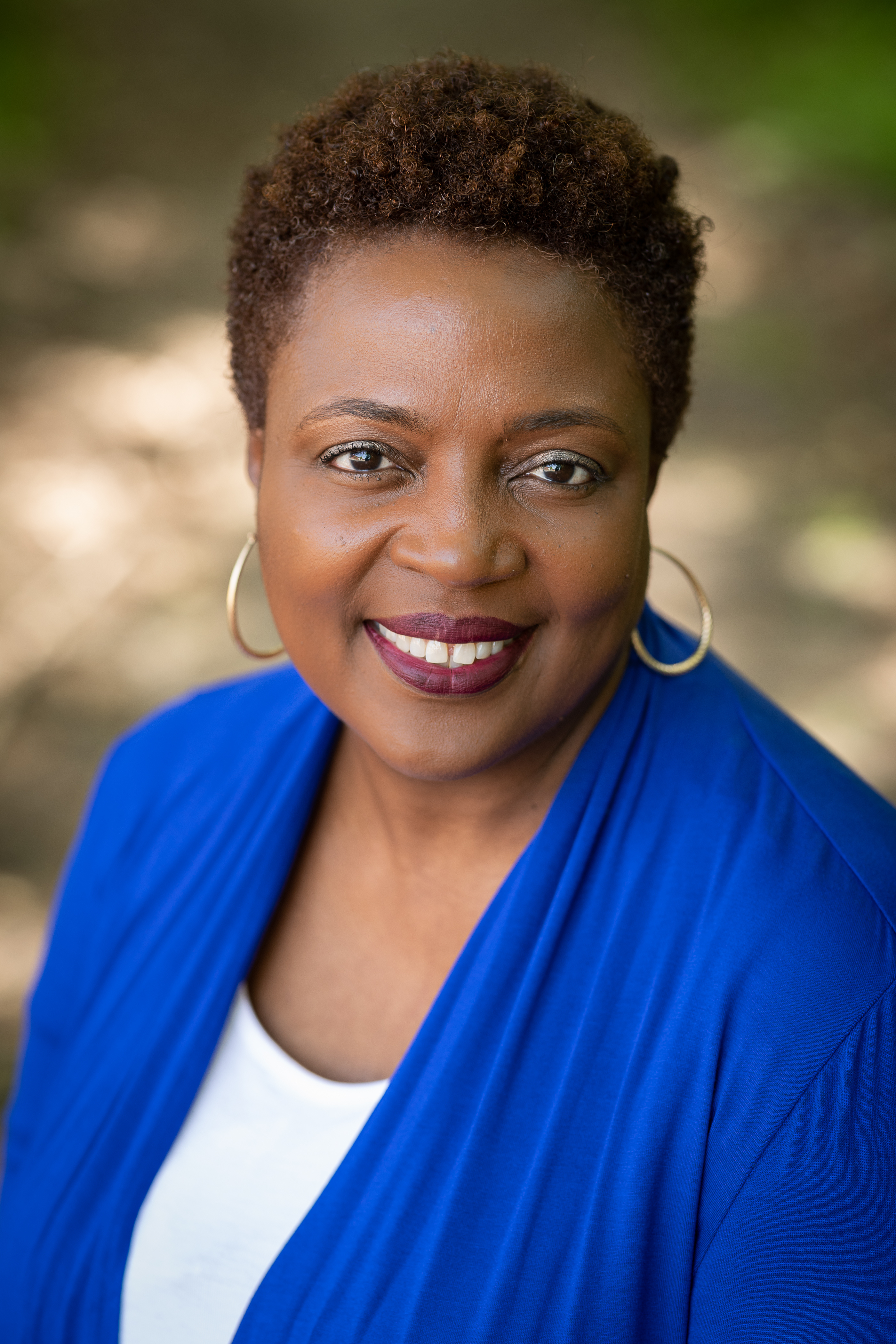
Denise Davis, REALTOR®
Fresh Start Realty
Serving Greenville & Pitt County, North Carolina
Explore homes and homebuying resources at Pitt County Living
This article is for general educational purposes and is not individualized mortgage, financial, or tax advice. Mortgage qualifications and program requirements vary. Consult a qualified mortgage lender or financial professional regarding your situation.