


Thinking about building a home instead of buying one? Whether you have your eye on a lot in Winterville or a few acres outside Greenville, one of the first questions is what credit score you need to build a house. The answer is usually higher than for buying an existing home, because a construction loan asks a lender to fund a house that doesn't exist yet.
This guide explains construction loan credit score requirements by loan type, what else lenders look for, and how building works in North Carolina, so you can plan before you sign with a builder in Pitt County.
Credit Score to Build a House: The Short Answer
Most lenders look for a credit score of about 620 to 680 for a construction loan, depending on the loan type. Conventional construction loans often require 680 or higher, while government-backed construction loans (FHA, VA, and USDA) can allow lower scores. Lenders also tend to expect a larger down payment and stronger finances than they would for a regular mortgage.
Here's a quick comparison of typical requirements:
| Construction loan type | Typical lender credit score | Typical down payment | Good fit for |
|---|---|---|---|
| Conventional construction loan | Often 680+; 700+ for better terms | Often 10% to 20% or more; some single-close programs allow less | Buyers with strong credit and savings |
| FHA one-time close | FHA allows 580 with 3.5% down (500 with 10% down), but many lenders require 620+ | 3.5% | Buyers with moderate credit and limited savings |
| VA one-time close | No VA minimum; lenders commonly require 620 to 660 | 0% for eligible borrowers | Eligible veterans and service members |
| USDA single-close | No USDA minimum; lenders commonly look for 640 | 0% | Moderate-income buyers in eligible rural areas |
These are typical lender standards, not guarantees. Each lender sets its own rules, and fewer lenders offer construction loans than standard mortgages, so it pays to ask several.
Building vs. Buying New Construction: Which One Are You Doing?
Before you worry about construction loan requirements, make sure you actually need one. In Pitt County, "new construction" can mean two very different things.
Buying a New Home From a Builder
Many new homes in Pitt County are built by a builder who owns the lot and finances construction, then sells the finished home to you. In that case, you usually buy it with a regular mortgage, and the normal credit score minimums apply. See our guide to the credit score needed to buy a house in North Carolina, and browse new construction homes in Pitt County.
In North Carolina, these purchases typically use either the standard Offer to Purchase and Contract with a New Construction Addendum or a separate New Construction contract (Form 800-T), depending on how far along the home is. The contracts work differently. For example, the New Construction contract doesn't include a due diligence fee the way the standard contract does, so ask your agent which one fits your situation.
Building a Custom Home on Your Own Lot
If you buy a lot (or already own land) and hire a builder to construct a home for you, you're the one financing the construction. That's when you need a construction loan, and that's where the stricter credit requirements come in. If you're still looking for a place to build, browse land for sale in Pitt County or homes with acreage.
One-Time Close vs. Two-Time Close Construction Loans
Construction financing generally comes in two forms, and the choice affects how many times your credit is reviewed.
One-Time Close (Construction-to-Permanent)
A one-time close loan combines the construction loan and your permanent mortgage into a single loan with one closing. During construction, the lender releases money to your builder in stages (called draws), and you typically pay interest only on what has been drawn. When the home is finished, the loan converts to a regular mortgage.
Because you're approved once up front, you generally don't have to requalify after the home is built. Fannie Mae's guidelines for single-closing construction-to-permanent loans limit the construction period to 18 months in total, so build timelines matter.
Two-Time Close (Construction Loan, Then a Mortgage)
With a two-time close, you take out a short-term construction loan first, then close on a separate mortgage when the home is finished. This can offer more flexibility, but it means two sets of closing costs and a second approval. If your credit, income, or interest rates change during construction, your permanent loan terms can change too.
Construction Loan Credit Score Requirements by Loan Type
Conventional Construction Loans
Conventional construction loans usually have the highest credit expectations. Many lenders look for 680 or higher, and some lenders' one-time close programs go higher still, according to New American Funding. A larger down payment can help offset a lower score, and putting 20% down avoids private mortgage insurance.
FHA One-Time Close Construction Loans
FHA construction loans follow the same basic credit rules as other FHA loans: 3.5% down with a 580 score, or 10% down with a score of 500 to 579. In practice, many lenders that offer FHA construction loans set their own minimum around 620, and FHA loan limits apply.
VA Construction Loans
The VA doesn't set a minimum credit score, but most lenders require at least 620, and some construction programs ask for 640 or more. VA construction loans can offer zero down for eligible borrowers, but relatively few lenders offer them, so start your search early. Learn more about VA eligibility at VA.gov.
USDA Single-Close Construction Loans
USDA's guaranteed loan program includes a single-close construction-to-permanent option for eligible buyers in rural areas. USDA itself has no minimum credit score, but lenders commonly look for about 640. The program offers zero down, has income limits, and requires a builder with at least two years of single-family building experience. Many areas of Pitt County outside the larger towns may qualify, so check a specific address on the USDA eligibility site.
What Else Lenders Look for When You Build
Your credit score is only part of the approval. Construction lenders also review the project itself, because the home is the collateral.
- Debt-to-income ratio: Lenders want to see that you can handle the new payment along with your current debts. If you're renting during construction, plan for both your rent and any interest payments on the construction loan.
- Down payment and reserves: Expect to need more cash on hand than with a regular purchase, including a cushion for cost overruns.
- Land equity: If you already own your lot, its value can often count toward your down payment. Ask your lender how they treat land you own.
- A qualified, licensed builder: Lenders usually need to approve your builder. In North Carolina, a general contractor generally must be licensed for projects costing $40,000 or more, and you can verify a builder's license through the NC Licensing Board for General Contractors.
- Plans, specs, and a budget: Expect to provide construction plans, a detailed cost breakdown, and a signed construction contract before closing.
- An "as-completed" appraisal: The appraiser estimates what the home will be worth once it's built, based on your plans.
You'll also need standard mortgage paperwork. Here's what documents your mortgage lender will ask for.
Tips for Building a Home in Pitt County
- Talk to a lender before you sign with a builder. Make sure your financing works and your builder is acceptable to the lender before committing to a contract.
- Check the lot carefully. Before you buy land, look into flood zones, soil and drainage, septic suitability, well access, and zoning. Learn more about Pitt County flood zones and flood insurance.
- Get inspections, even on new construction. Independent inspections at key stages can catch problems while they're still easy to fix. See how to read a home inspection report.
- Plan for delays and overruns. Weather, materials, and permitting can push timelines and budgets, so keep reserves available.
- Protect your credit during construction. Avoid new credit and large financed purchases until your permanent loan is in place, especially with a two-time close loan.
How to Improve Your Credit Before You Build
If your score is below what construction lenders want, the same steps that help any buyer apply here: check your free reports at AnnualCreditReport.com, dispute errors, pay every bill on time, and pay down credit card balances. For a step-by-step plan, see our guide to the credit score needed to buy a house in NC, which includes a full section on raising your score. If your credit needs significant work, read buying a house with bad credit.
Building may also make more sense after you've confirmed you're ready overall. Here's how to know if you're financially ready to buy a house.
Credit Score to Build a House: FAQs
What credit score do I need to build a house?
Most lenders look for 620 to 680, depending on the loan type. Conventional construction loans often require 680 or more, while FHA, VA, and USDA construction loans may allow lower scores through lenders that offer them.
Is it harder to get a construction loan than a mortgage?
Usually, yes. Because the home isn't built yet, lenders take on more risk. Expect higher credit expectations, a larger down payment for conventional loans, and more paperwork about your builder and plans.
Can I build a house with a 600 credit score?
It's harder. FHA rules allow scores as low as 580 with 3.5% down, but many construction lenders set a 620 minimum. If your score is around 600, you may have more options buying a builder's completed new home with a standard FHA loan, or improving your score before you build.
Can I use my land as a down payment?
Often, yes. If you own your lot, many lenders count its value as equity toward your down payment. Ask your lender how they value land you already own.
Do I need a construction loan to buy a new home from a builder?
Usually not. If the builder owns the lot and finances construction, you typically buy the finished home with a regular mortgage, and standard credit score minimums apply.
Thinking About Building in Pitt County?
Building a home takes more planning than buying one, but it can be a great way to get exactly what you want. Fresh Start Realty can help you find land, compare new construction options, and connect with local lenders who offer construction loans. Explore our homebuying resources, or contact Denise Davis at 252-902-9006 or denisedavis@pittcountyliving.com to get started.
This article is general information, not financial or legal advice. Loan rules and lender requirements change, so confirm current details with a licensed mortgage lender.
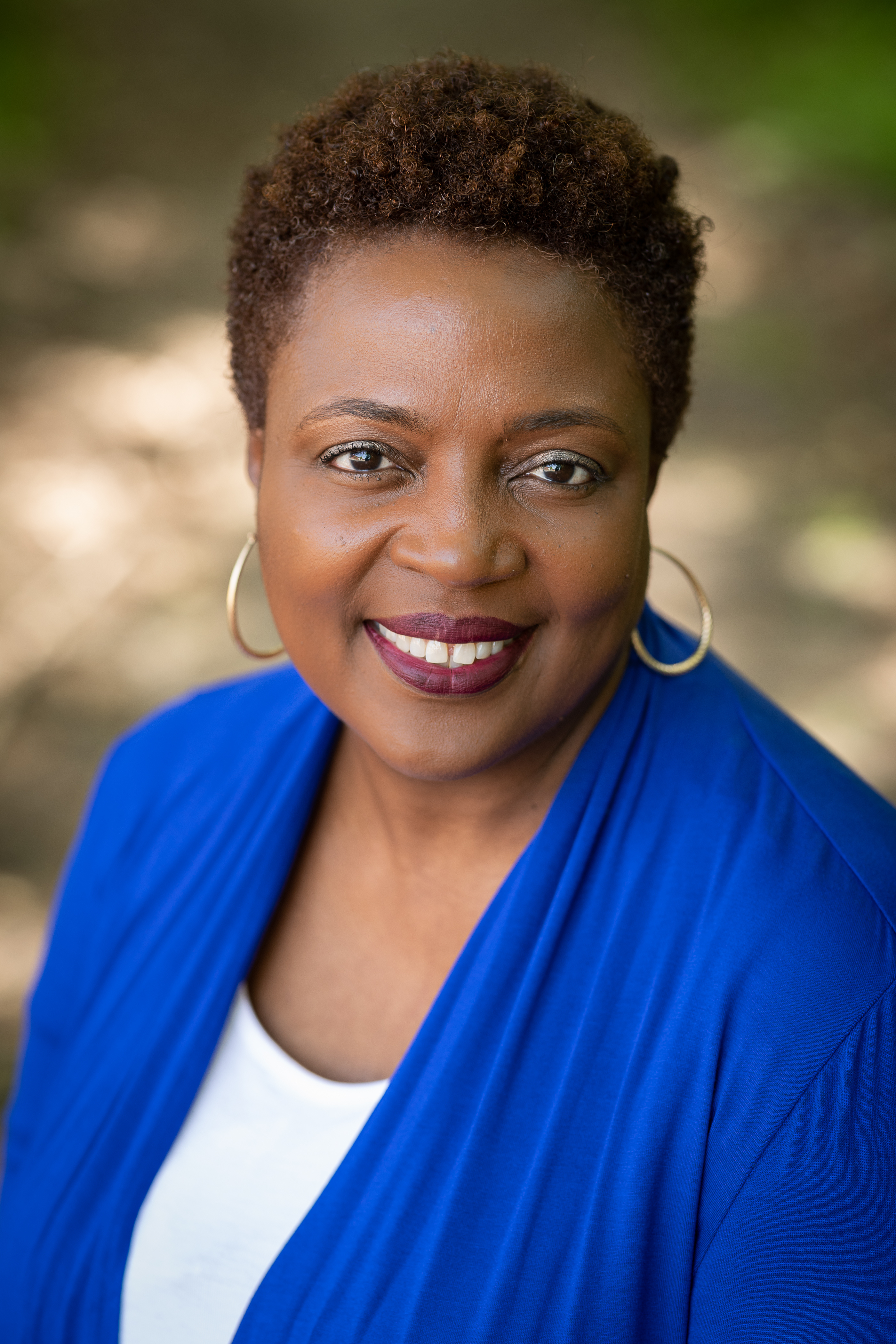
Denise Davis, REALTOR®
Fresh Start Realty
Serving Greenville & Pitt County, North Carolina
📞 Phone: 252-902-9006
✉️ Email: denisedavis@pittcountyliving.com
🌐 Website: https://www.pittcountyliving.com
Keep Reading
- What Credit Score Do You Need to Buy a House in North Carolina?
- What Credit Score Do Lenders Use When Buying a House?
- New Construction Homes for Sale in Pitt County
- Land for Sale in Pitt County
Sources
- Fannie Mae Selling Guide: Single-Closing Construction-to-Permanent Transactions
- USDA Rural Development: Single Family Housing Guaranteed Loan flyer
- USDA Rural Development: Single-Close Construction-to-Permanent Loan overview
- Bankrate: FHA construction loans
- Bankrate: VA construction loans
- New American Funding: One-time close construction loan requirements
- NC REALTORS®: New Construction contract vs. New Construction Addendum
- NC Licensing Board for General Contractors