


By Denise Davis, REALTOR® | Fresh Start Realty | Serving Greenville & Pitt County, North Carolina
Buying a house in Greenville, NC or anywhere else in Pitt County is one of the biggest financial steps you'll ever take. It's exciting, but it can also feel a little overwhelming. There are so many numbers to think about: the price of the home, your down payment, closing costs, and then there's that one number that seems to follow you everywhere — the interest rate.
So, what's the big deal about interest rates? Why does everyone keep talking about them?
Here's the simple truth: the interest rate on your mortgage decides how much you pay every single month for the next 15 or 30 years. Even a tiny change in that rate can cost you thousands of dollars over time. That's why understanding interest rates is one of the most important things you can do before you start house hunting in North Carolina.
Think of it this way: the interest rate is like the price tag on borrowing money. When you get a mortgage, you're not just paying back the loan amount. You're also paying a fee to the lender for letting you use their money. That fee is the interest rate, and it's a percentage of your loan that you pay each year.
In this article, we're going to break down everything you need to know about interest rates in plain, simple language. No confusing jargon. No fancy terms. Just the stuff that actually matters to you as a North Carolina homebuyer.
We'll cover how interest rates affect your monthly payment, how they change how much house you can afford, and how they impact your total cost over the life of the loan. We'll use real examples so you can see the difference for yourself. And we'll give you practical tips to help you get the best rate possible.
Whether you're buying your first home in Greenville, NC or you've been through this before, knowing how interest rates work will help you make smarter decisions. And if you ever need a little extra help, our website has tools and resources to guide you through every step of the homebuying process.
Let's start with the basics and work our way up. By the end of this article, you'll feel confident about how interest rates affect your home purchase in Pitt County — and what you can do about it.
What Is a Mortgage Interest Rate? A Simple Explanation for North Carolina Homebuyers
Let's start with the basics. What exactly is an interest rate?
Think of it like this: when you borrow money from a bank to buy a house, the bank is doing you a favor. They're letting you use their money to buy your home today, even though you don't have all the cash right now. But they don't do that for free. They charge you a fee for the privilege. That fee is called the interest rate.
A good way to picture it is to think of renting money. Just like you pay rent to live in an apartment, you pay interest to use the bank's money. The interest rate is a percentage of the loan amount that you pay each year.
For example, if you borrow $300,000 at a 6% interest rate, you'll pay about $18,000 in interest during the first year alone. That number goes down over time as you pay off the loan, but you get the idea. The rate matters a lot.
Now, you might also hear about something called the APR, or Annual Percentage Rate. The APR is a little different from the interest rate. The interest rate is just the cost of borrowing the money. The APR includes the interest rate plus other fees like lender fees, certain closing costs, and mortgage insurance. So the APR is usually a bit higher than the interest rate. When you compare loans, it's smart to look at the APR because it gives you a more complete picture of what you'll actually pay.
Fixed vs. Adjustable Interest Rates
Not all interest rates are created equal. There are two main types you need to know about: fixed rates and adjustable rates.
Fixed-rate mortgages are the most common choice for homebuyers. With a fixed-rate loan, the interest rate stays the same for the entire life of the loan. Whether you have a 15-year or a 30-year mortgage, your rate will not change. That means your monthly payment for principal and interest stays predictable. You'll know exactly what to budget for every month, year after year.
For example, if you get a 30-year fixed mortgage at 6%, you'll pay that same 6% in year one and in year thirty. It's stable and easy to plan around. That's why most people choose fixed-rate mortgages.
Adjustable-rate mortgages, or ARMs, work differently. With an ARM, the interest rate is fixed for a certain number of years at the start. After that, the rate can go up or down based on the market. A common type today is a 5/6 ARM. That means the rate is fixed for the first 5 years, and then it can adjust every 6 months after that. You may also see a 5/1 ARM, which adjusts once per year after the first 5 years.
ARMs often start with a lower rate than fixed mortgages. That can be tempting. But there's a catch. If rates go up after the fixed period ends, your monthly payment could jump a lot. That's a risk you need to understand before you choose an ARM. The federal Consumer Handbook on Adjustable-Rate Mortgages explains how these loans work and how to read the terms.
So which one is better? It depends on your situation. If you plan to stay in your home for a long time, a fixed rate gives you peace of mind. If you only plan to stay for a few years, an ARM might save you money upfront. Just make sure you know what you're getting into.
How Lenders Set Your Interest Rate
You might wonder why one person gets a 6% rate while another person gets 7%. Lenders look at several factors to decide what rate to offer you. Here are the main ones:
- Your credit score. Higher scores usually earn lower rates. Here is which score lenders use.
- Your down payment. The more you put down, the less risk the lender takes on.
- Your loan term. Shorter loans, like 15-year mortgages, usually have lower rates than 30-year loans.
- Your loan type. Conventional, FHA, VA, USDA, fixed-rate, and adjustable-rate loans are all priced differently.
- Your debt-to-income ratio. Lenders compare your monthly debts to your monthly income.
- The property and how you will use it. A primary home often gets a better rate than a vacation home or rental.
The good news is that you have some control over these factors. You can work on improving your credit score. You can save up for a bigger down payment. And you can choose a loan term that works for your budget. Every little bit helps when it comes to getting a better rate.
How Interest Rates Affect Your Monthly Mortgage Payment in North Carolina
Here's where things get real. The interest rate on your mortgage directly controls how much you pay every single month. And here's the thing that surprises most people: even a tiny change in the rate can make a huge difference in your monthly payment.
Think about it this way. If you're shopping for a home, you probably have a budget in mind. You know how much you can afford to pay each month for housing. But that number isn't just about the price of the house. It's about the interest rate too. A lower rate means you can afford a more expensive home for the same monthly payment. A higher rate means you'll have to look at cheaper homes.
Let's look at the numbers so you can see exactly what we mean.
Example: $300,000 Loan at Different Rates
Imagine you're taking out a $300,000 mortgage. That's a pretty common loan amount for many homebuyers. Now let's see what happens when the interest rate changes. We'll look at three different rates: 6%, 7%, and 8%. These numbers are just for the principal and interest part of your payment. They don't include property taxes, homeowners insurance, or mortgage insurance, which you'll also have to pay.
| Interest Rate | Monthly Payment (Principal & Interest) | Total Interest Paid Over 30 Years |
|---|---|---|
| 6% | $1,799 | $347,515 |
| 7% | $1,996 | $418,527 |
| 8% | $2,201 | $492,466 |
Do you see the difference? Going from 6% to 7% adds almost $200 to your monthly payment. That's about $2,400 more per year. Over 30 years, you'd pay an extra $71,000 in interest alone. And going from 6% to 8%? That's over $400 more each month and nearly $145,000 more in total interest.
That's not pocket change. That's a car. Or a college fund. Or years of vacations.
So when you hear people say "every eighth of a point matters," now you know why. Even a small change in your interest rate can save you or cost you tens of thousands of dollars over the life of your loan.
Want a real-world benchmark? Freddie Mac publishes a weekly national average, and the 30-year fixed rate averaged 7.18% as of November 5, 2026. Your own rate may be higher or lower, depending on your credit, down payment, and loan type.
Why Your Monthly Budget Matters More Than the Home Price
Here's a mistake a lot of homebuyers make. They focus entirely on the price of the house. They think, "I can afford a $350,000 home." But the truth is, what you can afford depends just as much on the interest rate as it does on the price.
Let me show you what I mean.
Imagine you're looking at two different houses. House A costs $350,000, and you can get a mortgage at 6% interest. House B costs $300,000, but the interest rate is 8% because maybe your credit score is lower or rates have gone up.
Here's how the monthly payments compare:
| Home Price (Amount Financed) | Interest Rate | Monthly Payment (Principal & Interest) | |
|---|---|---|---|
| House A | $350,000 | 6% | $2,098 |
| House B | $300,000 | 8% | $2,201 |
Wait a minute. The cheaper house actually costs you more each month? That's right. Because the interest rate is higher, you end up paying more every month even though the house costs $50,000 less.
This is why you can't just look at the price tag. You have to look at the whole picture. The interest rate, the loan amount, and your monthly budget all work together.
So what should you do? Start with your monthly budget. Figure out how much you can comfortably pay each month for housing. Then work backward from there. Use a mortgage calculator to see how different interest rates and home prices affect your payment. Freddie Mac has free mortgage calculators that can help you run these numbers in just a few seconds, and the Consumer Financial Protection Bureau's Explore Interest Rates tool shows how rates can change with your credit score, loan type, and down payment. They're simple tools, but they can save you from making a costly mistake.
The bottom line is simple: don't fall in love with a house in Greenville or anywhere else until you know what the monthly payment will be at today's rates. Because the rate you get will decide whether that dream home fits your budget or breaks it.
How Interest Rates Affect Your Buying Power in Pitt County
Now that you understand how interest rates affect your monthly payment, let's talk about something just as important: your buying power.
Buying power is a fancy way of saying "how much house you can afford." It's the total loan amount you can qualify for based on your monthly budget. And here's the key point: when interest rates go up, your buying power goes down. It's that simple.
Let me explain with a real example.
Imagine you have a monthly budget of $1,500 for your mortgage payment. That's what you can comfortably afford each month. Now let's see what happens at different interest rates.
| Interest Rate | Loan You Can Get With a $1,500 Monthly Payment (30-Year Fixed) |
|---|---|
| 3% | About $355,800 |
| 5% | About $279,400 |
| 6% | About $250,200 |
| 7% | About $225,500 |
| 8% | About $204,400 |
See the pattern? As the rate goes up, the amount you can borrow goes down. That means you have to look at cheaper homes or find a way to increase your budget. It's like the air gets squeezed out of your homebuying balloon.
This is why timing matters so much. If you were house hunting in 2021 when rates were around 3%, your $1,500 monthly payment could have bought you a loan of over $350,000. Fast forward to a higher rate environment, and that same payment buys you more than $100,000 less in house. That's a huge difference.
The Relationship Between Rates and Home Prices
Here's where things get interesting. When interest rates go up, something else often happens: home prices might come down. This is what some people call the "rate-price seesaw."
Think about it this way. When rates are low, more people can afford to buy homes. That means more buyers are competing for the same houses. And when demand goes up, prices tend to go up too. That's exactly what happened in 2020 and 2021. Low rates led to bidding wars and record-high home prices.
But when rates go up, the opposite can happen. Fewer people can afford to buy, so demand drops. Sellers might have to lower their prices to attract buyers. We saw this start to happen in 2022 and 2023 when rates climbed. Home prices in many areas stopped rising so fast, and some even dropped a little. To see what's happening close to home, read our guide to the Pitt County real estate market.
So what does this mean for you? It means you shouldn't just look at the price tag on a house. You need to look at the total monthly cost. A house that costs $350,000 with a 6% rate can actually have a lower monthly payment than a house that costs $300,000 with an 8% rate. The cheaper house isn't always cheaper in the end.
The smartest thing you can do is run the numbers for your specific situation. Don't assume that a lower price automatically means a better deal. And don't assume that waiting for rates to drop will save you money, because prices might go up in the meantime. It's a balancing act.
Tips to Improve Your Buying Power When Rates Are High
If you're shopping for a home in Pitt County right now and rates feel high, don't worry. You're not stuck. There are several things you can do to improve your buying power and make your money go further.
Increase your down payment. The more money you put down, the less you have to borrow. That means a smaller loan and a lower monthly payment. Plus, a larger down payment can help you get a better interest rate. If you can put 20% down, you'll also avoid paying private mortgage insurance (PMI), which saves you even more each month.
Improve your credit score. This is one of the most effective things you can do. A higher credit score can lower your interest rate by a full percentage point or more. That could save you hundreds of dollars every month. Pay your bills on time, pay down credit card debt, and don't open new credit accounts before you apply for a mortgage. If your credit needs work, our guide to buying a house with bad credit walks through your options.
Consider a longer loan term. A 30-year mortgage has lower monthly payments than a 15-year mortgage because you're spreading the loan out over more time. Yes, you'll pay more interest in the long run. But if your goal is to afford a home now, a longer term can make it possible. You can always make extra payments later to pay it off faster.
Look at cheaper homes. This one might seem obvious, but it's worth saying. If rates are high, you might need to adjust your expectations. Look at homes in a lower price range or in a different neighborhood. Remember, you can always move up to a bigger home later when rates are lower or you have more equity.
Look into down payment assistance programs. North Carolina and the City of Greenville both offer programs that can help. The NC Housing Finance Agency offers up to 3% of your loan amount through the NC Home Advantage Mortgage, and $15,000 through NC 1st Home Advantage for eligible first-time buyers and military veterans. The City of Greenville has its own down payment programs for qualifying buyers in designated areas. Our guide to first-time homebuyer programs in NC and Pitt County covers the details, and a participating lender can confirm current limits. It's worth checking out because every dollar helps.
The bottom line is this: high interest rates don't have to stop you from buying a home. They just mean you need to be a little more strategic. By improving your finances and making smart choices, you can still find a home that fits your budget.
How Interest Rates Affect Your Total Loan Cost
We've talked about monthly payments and buying power. But there's another piece of the puzzle that's easy to overlook: the total cost of your loan over its entire life.
Here's the thing about mortgages. When you borrow money to buy a house, you're not just paying back the amount you borrowed. You're also paying interest on that money for 15, 20, or 30 years. And that interest adds up to a lot more than most people expect.
Let's go back to our $300,000 loan example. We'll look at three different interest rates and see how much interest you'd pay over 30 years.
| Interest Rate | Total Interest Paid Over 30 Years |
|---|---|
| 6% | $347,515 |
| 7% | $418,527 |
| 8% | $492,466 |
Let those numbers sink in for a second.
At 6%, you'll pay about $347,000 in interest alone. That's more than the original loan amount. At 7%, you're looking at $418,000 in interest. And at 8%? Nearly $500,000 in interest on top of the $300,000 you borrowed.
That means the total cost of your house isn't $300,000. It's $647,000 at 6%, or $718,000 at 7%, or $792,000 at 8%. The interest rate literally decides whether you pay an extra $100,000 or $200,000 or more.
So when you're comparing loan offers, don't just look at the monthly payment. Look at the total interest you'll pay over the life of the loan. A slightly lower rate might save you more money than you ever imagined.
The Impact of Loan Term (15-Year vs 30-Year)
The length of your loan also plays a huge role in how much interest you pay. Let's compare two options for that same $300,000 loan.
Option 1: A 30-year mortgage at 7%
- Monthly payment: $1,996
- Total interest: $418,527
- Paid off in 30 years
Option 2: A 15-year mortgage at 5.5%
- Monthly payment: $2,451
- Total interest: $141,225
- Paid off in 15 years
See the difference? The 15-year mortgage has a higher monthly payment by about $455. But you'll save a whopping $277,302 in interest. And you'll own your home free and clear in half the time.
So which one should you choose? It depends on your goals.
If you want the lowest possible monthly payment and you're okay paying more interest over time, a 30-year mortgage is a good choice. It frees up cash each month for other things like savings, investments, or everyday expenses.
But if you can afford the higher monthly payment and you want to save a ton of money on interest, a 15-year mortgage is hard to beat. You build equity faster, pay off your home sooner, and keep more of your money in the long run.
There's no right or wrong answer here. It's about what fits your budget and your financial goals. The important thing is to understand the trade-offs before you make a decision.
Why You Should Shop Around for the Best Mortgage Rate in North Carolina
Here's something that might surprise you: not all lenders offer the same interest rate. In fact, rates can vary quite a bit from one lender to another. And even a small difference can save you thousands of dollars.
Let's say you're getting a $300,000 loan. Lender A offers you 6.5%. Lender B offers you 6.75%. That's only a quarter of a percent difference. It doesn't seem like much, right?
But here's what that quarter percent costs you:
| Lender | Rate | Monthly Payment | Total Interest Over 30 Years |
|---|---|---|---|
| Lender A | 6.5% | $1,896 | $382,633 |
| Lender B | 6.75% | $1,946 | $400,486 |
| Difference | 0.25% | $50 per month | $17,853 |
Nearly eighteen thousand dollars just because you didn't shop around. That's a lot of money for doing nothing more than making a few phone calls.
Now imagine the difference between a 6.5% rate and a 7% rate. That half a percent could cost you almost $36,000 in extra interest over 30 years. Suddenly, shopping around seems pretty important.
So here's what I recommend. Talk to at least three different lenders. That could be a big bank, a Greenville-area credit union, an online lender, and a local mortgage broker. Get their best offers in writing on the official Loan Estimate form. Compare the interest rates, the APRs, and the closing costs. Then pick the one that gives you the best deal overall. It also helps to have the documents your lender will ask for ready before you start.
As a real estate broker, I don't make loans or set rates. But I'm happy to help you keep your financing on track while you compare offers, so your loan timeline fits your contract.
The bottom line is simple: don't settle for the first offer you get. A little bit of effort upfront can save you tens of thousands of dollars over the life of your loan. And that's money you can use for things that really matter, like home improvements, your kids' education, or your retirement.
How to Get a Better Mortgage Rate in North Carolina
By now, you know just how much a good interest rate matters. It saves you money every month and tens of thousands of dollars over the life of your loan. So the next question is obvious: how do you get the best rate possible?
The good news is that you're not just stuck with whatever rate the market gives you. There are real, practical steps you can take to improve your chances of getting a lower rate. Let's walk through them.
Improve your credit score. This is the single most powerful thing you can do. Your credit score tells lenders how responsible you are with money. A higher score means you're less risky to lend to, so they reward you with a lower rate. Even a 20-point jump in your score can make a difference. Pay all your bills on time, every time. Pay down credit card balances. And don't open new credit cards or take out new loans right before you apply for a mortgage. Give yourself at least a few months to work on your credit before you start house hunting.
Save for a larger down payment. The more money you put down, the less risk the lender takes on. A 20% down payment is the gold standard. It usually gets you the best rates and also lets you avoid private mortgage insurance (PMI). If you can't do 20%, don't worry. Even putting down 10% or 15% is better than 5%. Every extra dollar you put down helps.
Choose a shorter loan term. Lenders offer lower rates on 15-year mortgages than on 30-year mortgages. That's because they get their money back faster, so there's less risk. If you can handle the higher monthly payment, a shorter term can save you a lot on interest.
Buy mortgage points. This is a strategy where you pay money upfront to lower your interest rate. We'll talk more about this in a minute.
Lock your rate at the right time. Interest rates can change from day to day, or even from hour to hour. When you find a rate you're happy with, you can lock it in so it doesn't go up while you're closing on the house. More on this below too.
Shop around with multiple lenders. As we talked about earlier, different lenders offer different rates. Get quotes from at least three lenders and compare them. You might be surprised at the difference.
What Are Mortgage Points?
Mortgage points, also called discount points, are a way to buy a lower interest rate. Think of them as prepaid interest.
Here's how it works. One point costs 1% of your loan amount. So on a $300,000 loan, one point would cost you $3,000. In exchange for that $3,000, the lender lowers your interest rate by about 0.25%, though the exact amount varies by lender. So if your rate was 7%, it would drop to 6.75%.
Is that a good deal? It depends on how long you plan to stay in the house.
Let's do the math. On a $300,000 loan, dropping from 7% to 6.75% saves you about $50 per month. You paid $3,000 for that savings. So it would take you about 60 months, or 5 years, to break even. If you stay in the house longer than that, you come out ahead. If you move sooner, you lose money.
So buying points makes sense if:
- You plan to stay in the home past the break-even point.
- You will still have enough cash for your down payment, closing costs, and savings.
- You want a lower payment for the long haul.
It doesn't make sense if:
- You expect to move or refinance before you break even.
- You need that cash for your down payment, closing costs, or emergency fund.
- The rate reduction is too small to justify the cost.
Your lender can run the numbers to see if buying points is right for your situation. It's not for everyone, but for some buyers, it's a smart move.
When to Lock Your Rate on a North Carolina Home Purchase
Interest rates are like the weather. They can change at any moment, and not always in your favor. That's where a rate lock comes in.
A rate lock is a guarantee from your lender that your interest rate will stay the same for a set period of time. Common lock periods are 30, 45, or 60 days. During that time, even if market rates go up, your rate stays the same. That gives you peace of mind while you finish the homebuying process.
So when should you lock your rate?
The best time to lock is when you're confident in two things: the rate itself, and your closing timeline. If you've found a rate that works for your budget, and you're fairly sure you'll close on the house within the lock period, go ahead and lock it. Don't wait and hope rates will drop. They might, but they might also go up, and you could end up with a higher payment.
Here's a common scenario. You find a house, you make an offer, and it gets accepted. Now you're under contract and in your due diligence period. At this point, you should talk to your lender about locking your rate. If rates are looking good, lock in right away. If rates seem high and you think they might drop soon, you could wait a little, but that's a gamble.
Why this matters even more in North Carolina. Many NC home purchases use the standard Offer to Purchase and Contract (Form 2-T), and that contract is not contingent on you getting a loan. Your window to confirm your financing is the due diligence period. If you do not terminate by the end of it and then cannot complete the purchase, you will likely lose your earnest money, and the due diligence fee is generally not refunded either. So talk to your lender early about your rate and payment, and make sure your rate lock runs through your settlement date. If closing gets delayed, extending a lock can cost extra.
Some lenders offer a "float down" option. This lets you lock your rate now, but if rates drop before you close, you can get the lower rate. This usually costs a little extra, but it gives you the best of both worlds.
Your loan officer is the right person to ask about rate lock timing and cost. What I can do is keep you up to date on your contract dates, so your lock lasts through closing. Just give me a call, and I'll walk you through the timeline.
The key takeaway is this: don't leave your rate to chance. Be proactive. Work on your credit, save for a down payment, consider buying points if it makes sense, and lock your rate when the time is right. Every step you take brings you closer to a mortgage that fits your budget and your future.
How to Decide If Now Is the Right Time to Buy in Pitt County
With all this talk about interest rates, you might be wondering: should I buy now, or should I wait?
It's a fair question. And the answer isn't as simple as "rates are high, so wait." The truth is, trying to time the market is almost impossible. Even the experts get it wrong. What matters more is your personal situation and your plans for living in Pitt County.
Instead of trying to predict where rates will go, ask yourself these questions:
- Do you plan to stay in the home for at least five years?
- Is your income steady?
- Will you still have emergency savings after closing? Here is how to tell if you are financially ready to buy a house.
- Can you comfortably afford the full payment at today's rates, including taxes and insurance?
- Are your credit score and down payment where you want them to be?
Here's a simple pros and cons list to help you think it through.
Pros of buying now:
- You start building equity instead of paying rent.
- A fixed-rate loan keeps your principal and interest payment steady.
- Higher rates can mean fewer competing buyers and more room to negotiate.
- You may be able to refinance if rates fall later.
Cons of buying now:
- Your monthly payment will be higher than it would be at a lower rate.
- Your budget may not stretch as far.
- You will need cash for your down payment and closing costs.
- You take on repairs, maintenance, taxes, and insurance.
The bottom line? If you're financially ready and you plan to stay put in Pitt County for a while, buying now can still be a smart move. Waiting for rates to drop might backfire if home prices go up in the meantime. You could end up paying more in the long run.
Renting vs. Buying in Greenville, NC When Rates Are High
When rates are high, renting starts to look more appealing. After all, your rent payment doesn't change based on mortgage rates. But renting has its own downsides. Pitt County reports a median asking rent of about $1,532 a month as of September 2025. For comparison, principal and interest on a $240,000 loan at 7% is about $1,597 a month, before taxes and insurance.
Let's compare the two.
Renting:
- You have more flexibility to move.
- Your landlord usually handles major repairs.
- Your upfront costs are lower.
- Your rent can go up when the lease renews.
- You do not build equity.
Buying:
- You build equity as you pay down the loan.
- A fixed-rate loan keeps your principal and interest payment steady.
- You can make the home your own.
- Your upfront costs are higher.
- You are responsible for repairs, taxes, and insurance.
So which is better? It depends on your numbers. A good way to decide is to use a rent vs. buy calculator. Freddie Mac has a free one that lets you plug in your numbers and see which option makes more financial sense. You enter details like the home price, your rent, and how long you plan to stay. The calculator does the rest. It's an easy way to get a clear answer for your specific situation.
The Role of the Federal Reserve
You've probably heard news reports about the Federal Reserve raising or lowering interest rates. It sounds important, and it is. But the Fed doesn't directly set mortgage rates. So what's the connection?
Here's a simple explanation. The Federal Reserve sets a target for short-term interest rates. These are rates that banks charge each other for overnight loans. When the Fed raises those rates, it becomes more expensive for banks to borrow money. Banks then pass those costs on to consumers, including homebuyers, by raising their own rates.
But mortgage rates are also tied to something called the bond market. They tend to follow the yield on 10-year Treasury bonds. When investors are worried about the economy, they buy more bonds, which pushes yields down. That can lower mortgage rates. When the economy is strong, investors sell bonds, yields go up, and mortgage rates rise.
So the Fed's decisions matter, but they're not the only factor. Mortgage rates can move up or down even when the Fed does nothing.
What does this mean for you? It means you shouldn't try to predict what the Fed will do. Even the smartest economists get it wrong. Instead, focus on what you can control: your credit score, your down payment, your budget, and your timeline. If you're ready to buy and you find a home you love, don't let the fear of future rate changes hold you back. You may be able to refinance later if rates drop, as long as you qualify and the savings outweigh the closing costs. But you can't get back the time you spend waiting on the sidelines.
Common Mistakes North Carolina Homebuyers Make with Interest Rates
Even smart buyers make mistakes when it comes to interest rates. The good news is that these mistakes are easy to avoid once you know what they are. Let's walk through the most common ones so you don't fall into the same traps.
Not shopping around for rates. This is probably the biggest mistake of all. Many homebuyers talk to just one lender and take whatever rate they're offered. That's like buying a car without checking the price at another dealership. Rates can vary by half a percent or more between lenders. That difference could cost you thousands of dollars over the life of your loan. Always get at least three quotes. Compare the interest rate, the APR, and the closing costs. Ask each lender for a Loan Estimate so you can compare them line by line.
Focusing only on the monthly payment. It's natural to care about what you'll pay each month. But if you only look at the monthly payment, you might miss the bigger picture. A longer loan term, like 40 years instead of 30, can lower your monthly payment. But it also means you'll pay much more interest over time. Always check the total interest you'll pay over the life of the loan, not just the monthly number.
Ignoring your credit score until it's too late. Your credit score is one of the biggest factors in determining your rate. But too many buyers don't check their score until they're ready to apply for a mortgage. By then, it's too late to fix any problems. Check your credit score at least six months before you plan to buy. If it's lower than you'd like, you have time to improve it. Pay down credit cards, pay all your bills on time, and don't open new accounts. Our breakdown of credit score minimums by loan type shows what to aim for.
Not understanding adjustable-rate mortgages. ARMs can be tempting because they start with a lower rate. But they come with risk. After the initial fixed period, the rate can go up, sometimes a lot. Some buyers don't realize this until their payment jumps by hundreds of dollars. If you choose an ARM, make sure you understand exactly when the rate can change, how much it can change, and what your new payment could be. For most first-time buyers, a fixed-rate mortgage is the safer choice.
Waiting for the perfect rate. Some buyers try to time the market. They wait for rates to drop to some magic number. But while they're waiting, home prices might go up. Or rates might go up even more. You can't predict the market. If you find a home you love and you can afford the payment at today's rates, don't wait. You may be able to refinance later if rates drop.
Mistake 1: Only Looking at the Monthly Payment
Let's dig a little deeper into this one because it's so common.
Imagine you're looking at two loan offers. Offer A has a monthly payment of $1,800. Offer B has a monthly payment of $1,600. Offer B sounds better, right? But what if Offer B is a 40-year loan and Offer A is a 30-year loan?
Here's what that difference looks like over time.
| Loan Term | Monthly Payment | Total Paid Over the Loan | |
|---|---|---|---|
| Offer A | 30 years | $1,800 | $648,000 |
| Offer B | 40 years | $1,600 | $768,000 |
That lower monthly payment costs you an extra $120,000 in interest. Plus, you're in debt for an extra 10 years.
So always look at the big picture. Ask your lender for a loan estimate that shows the total interest over the full term. Don't let a low monthly payment trick you into paying more in the long run.
Mistake 2: Not Checking Your Credit Score Early
Your credit score is like a report card for your financial habits. Lenders use it to decide how risky you are. A higher score means a lower rate. A lower score means a higher rate, or even a denial.
Here's the problem. Many people don't check their credit score until they're ready to buy a house. Then they find out it's lower than they thought. Maybe there's an old bill they forgot to pay. Maybe there's an error on their report. Fixing these things takes time, and they don't have that time because they want to close on a house soon.
The fix is simple. Check your credit score early. You can get a free copy of your credit report from each of the three major bureaus every week at AnnualCreditReport.com. Those reports don't include your score, but they show what's behind it. Look for errors and dispute them. If your score is low, start working on it right away. Pay down your credit card balances. Make all your payments on time. Don't apply for new credit. Give yourself at least three to six months to see improvement.
Our website has several articles on credit, including one on the credit score you need to build a house in NC. Working on your credit is one of the best investments of your time if you want a lower rate.
Mistake 3: Choosing the Wrong Loan Type
There are many types of mortgages out there. Fixed-rate, adjustable-rate, FHA, VA, USDA, and more. Each one has its own pros and cons. Picking the wrong one can cost you a lot of money.
The most common mistake is choosing an adjustable-rate mortgage (ARM) without understanding the risks. An ARM might start with a lower rate, which sounds great. But after the fixed period ends, your rate can go up. And up. And up. Some people saw their payments jump sharply during the 2008 housing crisis.
ARMs can be a good choice in certain situations. For example, if you know you'll only be in the home for a few years, an ARM might save you money. But for most buyers, especially first-timers, a fixed-rate mortgage is the safer bet. Your rate stays the same for the entire loan term. Your payment never changes. That peace of mind is worth a lot.
Another mistake is choosing an FHA loan when you could qualify for a conventional loan. FHA loans have lower down payment requirements, but they also have higher mortgage insurance costs. If you have good credit and a decent down payment, a conventional loan might be cheaper in the long run.
Talk to a loan officer who can explain all your options and walk through the pros and cons of each loan type based on your specific situation. They can help you pick the one that fits your goals and your budget.
Mortgage Rates and Home Prices in Greenville, NC and Pitt County
Let's bring this home. According to Zillow, the typical home value through September 2026 was about $236,340 in Greenville, NC and $243,595 in Pitt County, compared to $332,159 for North Carolina as a whole. So here's what a $240,000 loan looks like at different rates for a home inside Greenville city limits:
| Interest Rate | Principal & Interest | Estimated Property Tax | Monthly Total (Before Insurance) |
|---|---|---|---|
| 6% | $1,439 | $192 | $1,631 |
| 7% | $1,597 | $192 | $1,789 |
| 8% | $1,761 | $192 | $1,953 |
That property tax estimate assumes a $240,000 tax value. If you buy inside Greenville city limits, you pay both county and city tax. Pitt County's 2025-26 rate was 56.63 cents per $100, and Greenville's proposed 2026-27 budget kept the city rate at 39.54 cents. Together, that is about 96 cents per $100. Rates are different in Winterville and Ayden, and homes outside town limits do not pay a city tax, so check the current rate for the exact address. You can explore the area on our Greenville, NC page.
Now go back to that $1,500 monthly budget. At 7%, it covers a loan of about $225,000 for principal and interest. With a down payment, that can put you in the market for homes under $250,000 in Pitt County. If that $1,500 also has to cover taxes and insurance, houses under $200,000 may be a better fit. If your budget is closer to $2,000 for principal and interest, a 7% rate supports a loan of about $300,000, which opens up homes under $300,000.
One more local cost to plan for: if a home is in a flood zone, flood insurance in Pitt County can add to your monthly payment. Before you make an offer, look at the whole payment, not just the rate.
Take Control of Your Homebuying Journey in Pitt County
We've covered a lot of ground in this article. Let's take a moment to bring it all together.
Interest rates matter. They matter a lot. They decide how much you pay every single month. They decide how much house you can afford. And they decide how much you'll pay in total over the life of your loan. A difference of just one percent can cost you tens of thousands of dollars.
But here's the thing you need to remember: you're not powerless. You can take steps to get a better rate. You can improve your credit score. You can save for a larger down payment. You can shop around with different lenders. You can buy points if it makes sense. You can lock your rate at the right time. Every one of these actions puts you in a stronger position.
Don't try to time the market. Nobody knows for sure where rates will go next. Instead, focus on what you can control. Get your finances in order. Know your budget. Understand your options. And when you find a home that feels right and a payment you can handle, go for it. You may be able to refinance later if rates drop.
Buying a home in Greenville, NC is a big step. But it doesn't have to be a scary one. With the right knowledge and the right tools, you can make smart decisions that work for your future.
That's where Fresh Start Realty comes in. Our website is here to help you every step of the way. We have buyer resources and local guides on everything from credit scores to first-time buyer programs. And I'm here to answer your questions and help you find the right home for your budget.
So don't go through this alone. Explore our resources. Use our home search tools. And when you're ready, reach out to us for personalized advice. Whether you're just starting to think about buying a home or you're ready to make an offer, we're here to help you take control of your homebuying journey.
Your dream home in Pitt County is out there. And with a little knowledge and the right support, you can make it yours.
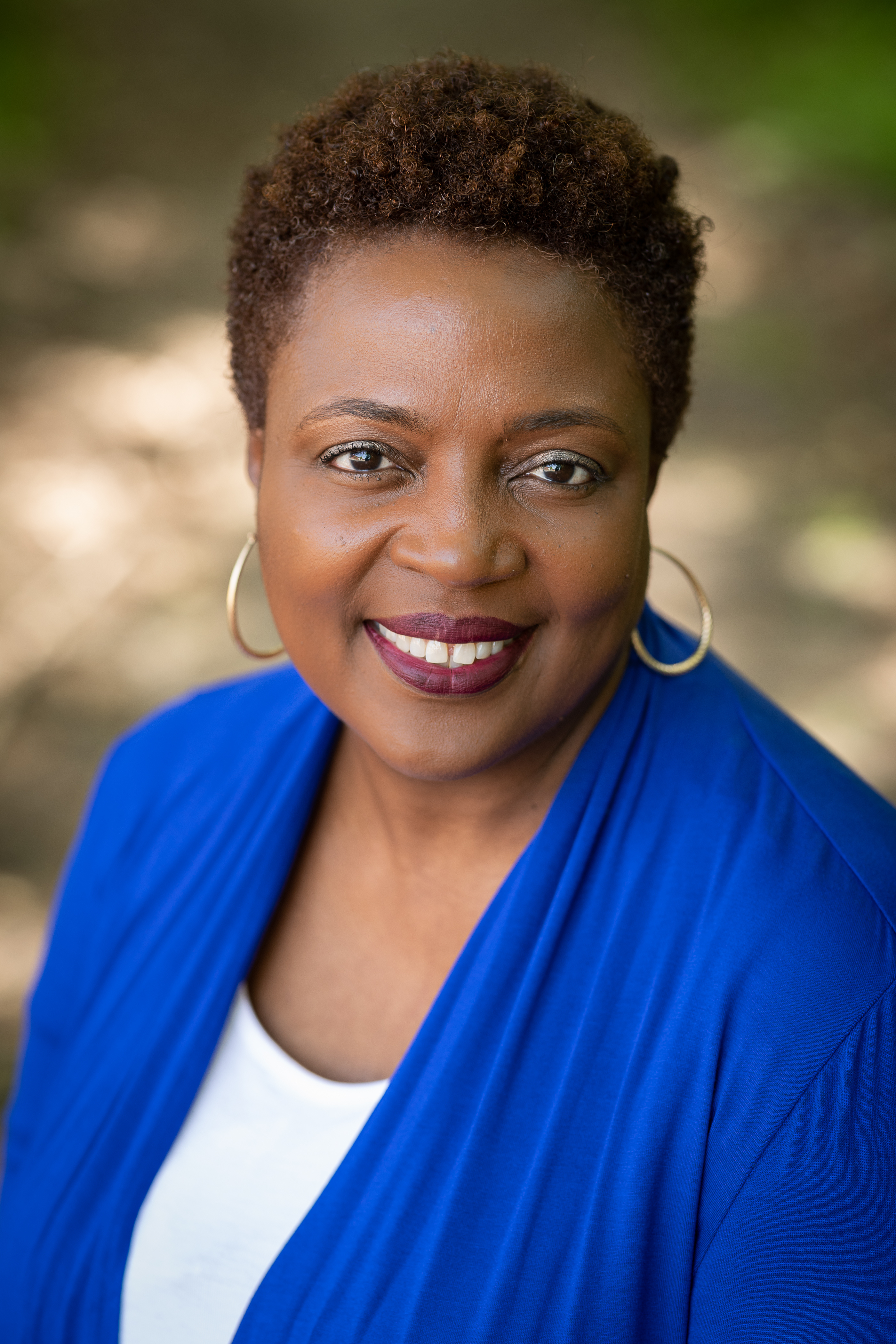
Denise Davis, REALTOR®
Fresh Start Realty
Serving Greenville & Pitt County, North Carolina
📞 Phone: 252-902-9006
✉️ Email: denisedavis@pittcountyliving.com
🌐 Website: https://www.pittcountyliving.com